
If you’ve ever woken up scratching or spotted mysterious red bites, trust us—you’re not the first Singaporean battling bed bugs, and you won’t be the last. These pesky critters don’t care if you live in an HDB, condo, or landed property. Every year, countless families lose sleep (and patience) trying to kick them out.
Maybe you’ve already tried all the DIY tricks—essential oils, baking soda, even squishing every bug you can find like a ninja at 2 a.m. Still, those infamous itchy bites keep coming back, and you’re one more sleepless night away from moving house entirely. Good news: there’s a faster, less-stressful way! With effective, professional heat treatment, you can beat bed bugs in just 24 hours—guaranteed. Don’t waste another night losing sleep over these invaders. Let’s reclaim your peace of mind, starting now.
Understanding Bed Bugs and Why They’re So Hard to Evict
Bed bugs have earned their reputation as some of the toughest pests to catch and kick out, especially in Singapore’s dense, fast-moving urban lifestyle. Tiny, slippery, and experts at hide-and-seek, they’ll vanish into mattress seams, crack lines, and even belongings you rarely touch. Worse still, they party on even the cleanest of homes—they’re after blood, not your crumbs.
Many DIY efforts, from supermarket sprays to elaborate home concoctions, simply aren’t enough to keep up with the speed and stealth of these little vampires. They breed shockingly fast, hide in the most unexpected nooks (yes, even behind loose wallpaper and inside electric sockets), and their eggs are nearly invisible to the naked eye. For more on their biology, check out Wikipedia’s bed bug page.
The sections ahead will help you spot bed bugs like a pro, recognise early warning signs, and understand why their unique life cycle makes them such frustrating escape artists. If you’re wondering why one or two missed eggs can lead to a new infestation in just weeks, you’re about to find out. Get ready to learn the secrets—and the surefire solutions—to make bed bugs history in your home, once and for all. For expert pest control tips, visit our Pest Control Services page.
Spotting Bed Bugs and Their Favourite Hiding Places
Spotting bed bugs in your home is a bit like playing detective—except the culprits are smaller than a kopi tiam coffee bean. Here’s how to identify them and their favourite hiding spots:
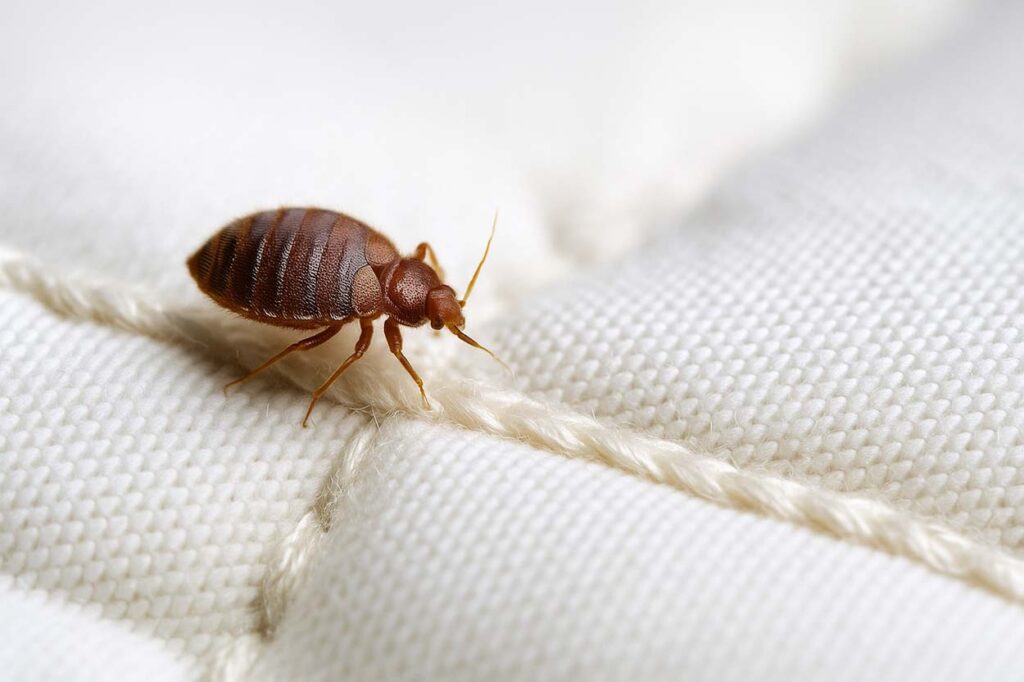
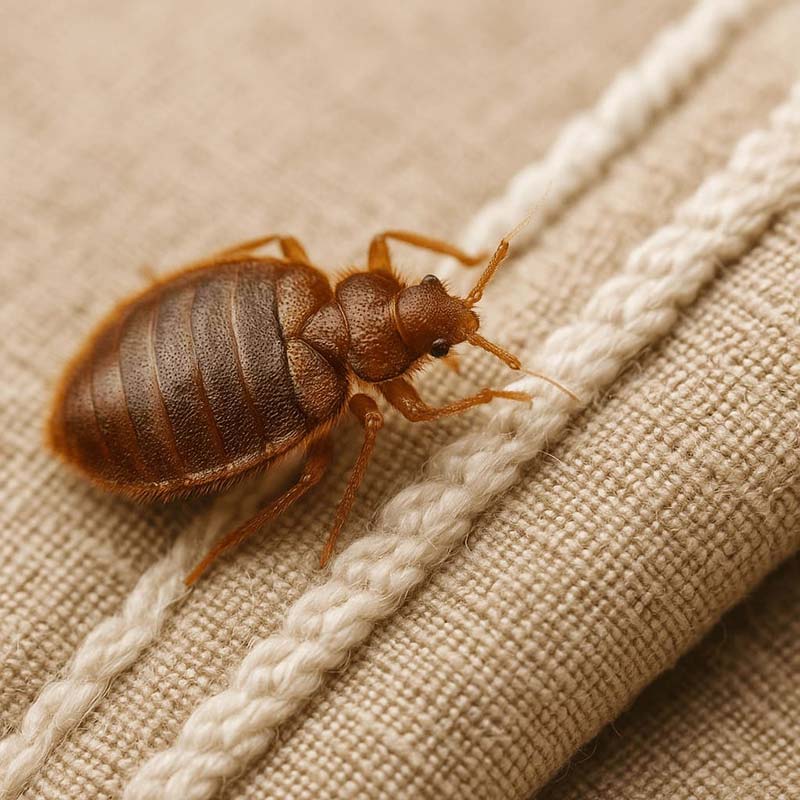
- Adult bed bugs: Brownish, oval-shaped, and about the size of a small apple seed or coffee bean. They’re flat when unfed and balloon up after a meal (your blood, unfortunately).
- Nymphs (baby bed bugs): Even tinier than adults, nymphs start out almost colourless, turning brownish as they feed. Look for bugs the size of a sesame seed or a tiny fish egg.
- Eggs: Pearl-white, slightly sticky, and barely visible without good lighting. Each one is about 1mm long—like a speck of glutinous rice.
- Favourite hiding places: Mattress seams and tags, cracks in your bed frame, joints of wooden furniture, and the folds of sofa cushions. They’re not fussy—old MRT cards shoved in your drawer, stacks of unused books, or even inside electrical outlets are fair game.
- Rarely-touched belongings: Luggage from your last trip, stuffed toys, or piles of clothing can become secret hideouts if they’re not regularly checked.
In Singapore’s humid climate and compact living spaces, bed bugs can squeeze almost anywhere. When hunting for them, bring a torchlight, patience, and the courage to peer into places you haven’t cleaned since last Chinese New Year.
Early Warning Signs for a Bed Bug Infestation
Catching a problem early is the key to winning the bed bug battle. Here are the most common warning signs to spot:
- Blood spots on sheets or pillowcases: These appear as small, dark red or rusty stains and often come from bugs crushed during sleep.
- Dark faecal marks: Look for tiny black dots or smears along mattress seams, bed frames, or skirting boards—like someone dotted your bed with a fine-tip black marker.
- Shed skins: As young bugs grow, they shed their outer shells. Transparent, papery husks may turn up around sleeping areas.
- Musty odour: A sweet, awkward smell lingers if an infestation is growing. No air freshener covers this funk for long.
- Clusters of itchy bites: Found in a zigzag or straight line, these bites show up after a night’s rest—sometimes before you spot a single bug.
If you see these signs, don’t blame mosquitoes or late-night snack accidents. React quickly, as a few bugs today can mean a full-blown infestation in no time.
The Bed Bug Life Cycle Explained (And Why Eggs Spell Trouble)
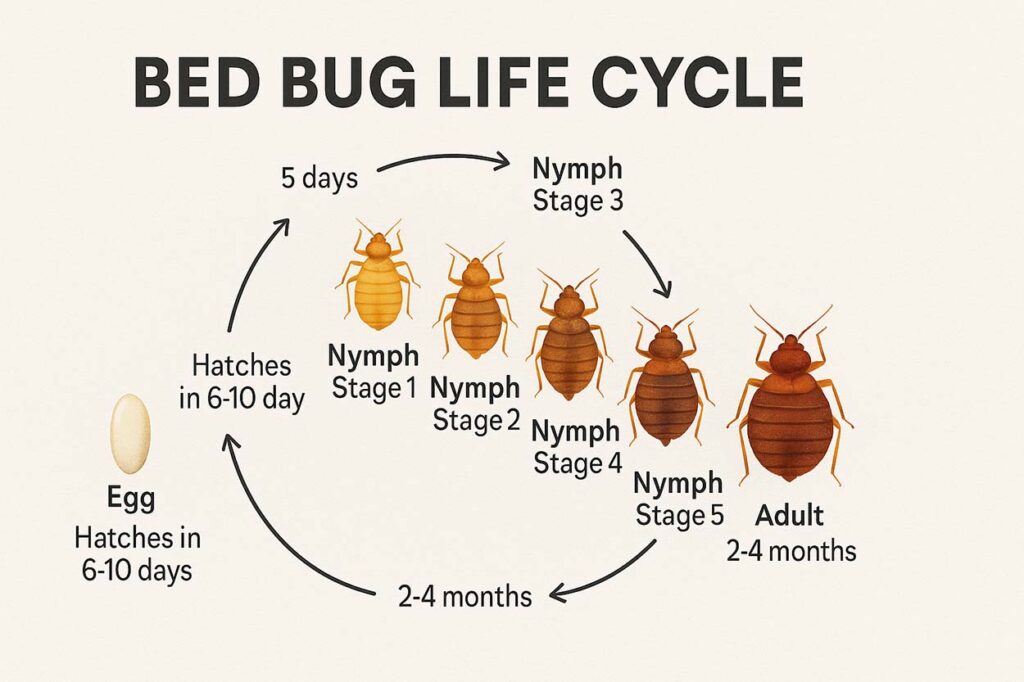
The bed bug life cycle is the secret to their lasting power. Each one starts life as a tiny, pearly egg—about the size of a dust grain. These eggs, glued onto hidden surfaces, can be laid in batches of five or more, with a single female producing hundreds over her lifetime.
Eggs hatch in about 6–10 days, releasing nymphs (the bed bug equivalent of rebellious teenagers). These young bed bugs are ravenous and need to feed on blood to progress through five developmental stages. Each stage brings them closer to adulthood—usually within just two to four weeks if they’re feeding regularly. In Singapore’s warmth, this process moves even faster.
Adults can live for several months, hiding between meals, and are constantly on the lookout for the next host. What makes things difficult is that bed bug eggs are almost impossible to spot and survive many common sprays. Miss even one generation, and the infestation will rebound with a vengeance. The growth cycle’s speed and sneakiness make a total, all-stages eradication strategy critical, especially if you want these pests gone for good.
What Bed Bug Bites Look Like and How to Treat Them
- Appearance: Bed bug bites are small, red, itchy welts, often clustered in zigzag or straight lines along exposed skin. They commonly appear on arms, legs, neck, and back after sleeping. The bites might swell and can be confused with mosquito bites, but tend to show up as multiples in clear patterns.
- Self-care (first aid): Wash the area gently with soap and cool water to reduce infection risk. Consider dabbing on aloe vera gel, calamine lotion, or even a cold compress for instant Singapore-style relief from the itch.
- When to see a doctor: If there’s excessive swelling, pus, an allergic reaction, or if bites refuse to heal, consult a GP. Severe itching can sometimes lead to skin infection—especially if kids scratch like no tomorrow.
Don’t panic: Bed bug bites are irritating but not dangerous. There’s no need to check for dengue or other viruses—the real threat is scratch infections or endless lack of sleep, not disease transmission. For more on treating insect bites, refer to Singapore’s HealthHub guide on insect bites.
Do Bed Bugs Spread Diseases (Or Is That Just a Kopitiam Myth)?
No, bed bugs do not spread diseases to humans. Despite all the scary stories passed around kopitiams and WhatsApp groups, there’s no scientific evidence that bed bugs transmit viruses or bacteria. Their bites can cause itching, and scratching too hard may lead to skin infections, but that’s as far as it goes.
The real risk with bed bugs is constant discomfort, insomnia, and the stress of being bitten night after night. So, while they’re a huge annoyance, you don’t have to worry about them carrying any dangerous diseases into your home.
Treatment Options That Actually Work (Spoiler: Heat Beats DIY Every Time)
If you’re tired of failed home remedies, constant cleaning, and supermarket sprays that only make bed bugs laugh, you aren’t alone. Singapore’s warm, humid climate can actually help bed bugs survive many over-the-counter treatments, making them especially hard to kick out with DIY efforts alone.
This next section will break down all the main treatment strategies—chemical sprays and powders, natural and home remedies, and, most importantly, professional heat treatment. While chemical solutions can work for smaller problems, entrenched infestations are notorious for coming back unless every single bug and egg is wiped out in one go.
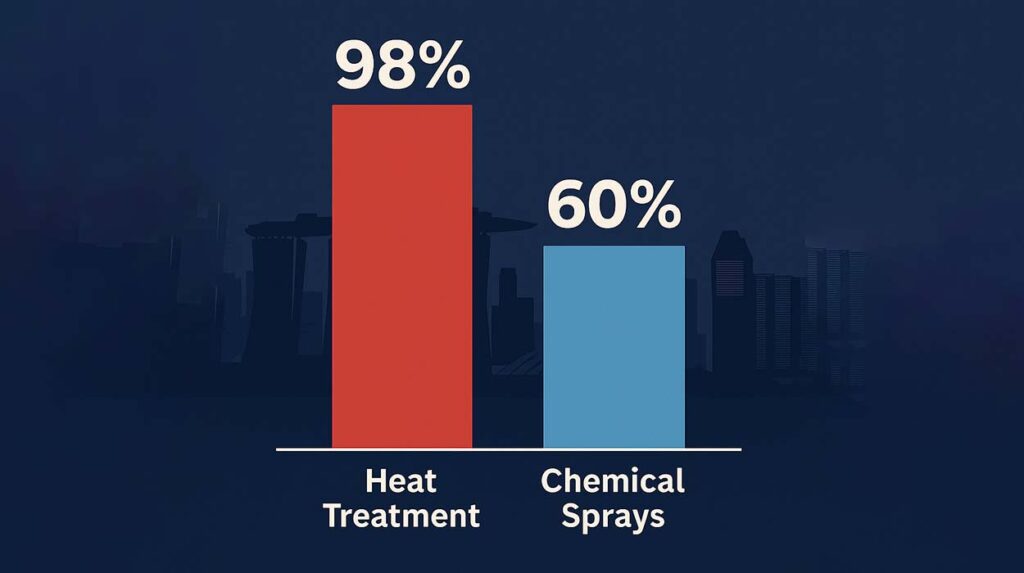
That’s where heat treatment really shines, offering guaranteed, all-at-once elimination—no more endless rounds of trial and error. Think of it as hitting the reset button on your home, giving you back your peace of mind overnight. Before you reach for another can of bug spray, check out which methods truly deliver results in Singapore’s unique climate and flats. Learn more about our Heat Treatment Solutions.
Chemical Treatments and When to Call Professional Pest Control
- Sprays and residual insecticides: These are the most common chemical solutions—think of supermarket sprays or professional-grade pesticides. While sprays may kill visible bugs, most miss hidden eggs and deep-nesting adults, allowing the infestation to resurface within weeks.
- Foggers (“bug bombs”): These fill a room with pesticide mist, but bed bugs are notorious for hiding in crevices and cracks that fog can’t reach. Worse yet, foggers may drive bugs deeper into walls and furniture, spreading the problem rather than fixing it.
- Pesticide powders: Diatomaceous earth and silica powders can dehydrate and eventually kill bed bugs when sprinkled into their hiding spots. However, they take days or even weeks to work fully, and misuse can pose respiratory risks for children and pets.
- When to call the professionals: If you spot more than a handful of bugs or repeatedly find bites despite chemical sprays, it’s time to call certified pest control pros. Experienced exterminators have stronger tools, targeted application methods, and can identify the full extent of your infestation—often offering re-treatment guarantees for your peace of mind.
- Why DIY is rarely enough: Homeowners risk missing hidden or resistant bugs, and many over-the-counter products simply aren’t strong enough for real Singaporean infestations. Let the experts handle entrenched problems—you’ll save money (and sanity) in the long run.
Heat Treatment for Bed Bugs: The Singaporean Game Changer
Heat treatment is the gold standard for bed bug eradication, especially in Singapore. Unlike sprays or powders that only kill on contact, heat treatment raises the temperature of the entire infested area to a level that bed bugs and their eggs cannot survive—usually above 50°C.
The science is simple: expose bed bugs and their eggs to these high temperatures for at least 30 minutes, and every single life stage—adults, nymphs, and even the hard-to-kill eggs—is wiped out. Think about what happens to anything left in a car under the Singaporean midday sun; bed bugs don’t stand a chance.
Professional exterminators use industrial heaters and precise monitoring tools to safely heat bedrooms, living rooms, or even whole apartments. Everything, from mattresses and sofas to wall cracks and electrical outlets, gets treated in one session. The result? Guaranteed, 24-hour elimination, with none of the lingering smells or chemical residues of traditional pesticides. For families with allergies, small children, or pets, heat treatment is often the safest (and quickest) way to sleep soundly again.
Home Remedies and Natural Solutions: Worth the Trouble?
- Tea tree and essential oils: A favourite in many DIY recipes, these might repel some bugs but are rarely potent enough to kill all life stages—especially in humid climates.
- Baking soda: Commonly sprinkled on beds and carpets, but no scientific proof backs its effectiveness. It won’t stop a determined colony.
- Diatomaceous earth: Works slowly by dehydrating bed bugs, but results can take weeks. Hard to reach all the bugs, and not ideal for families with allergies or pets.
Home remedies can slow minor infestations but won’t eliminate a mature bed bug problem. If you’re still seeing bites after “trying everything” for longer than one durian season, it’s time to bring out the professionals before they overrun your home.
Step-By-Step Action Plan to Get Rid of Bed Bugs at Home
Let’s get tactical—if you want to get rid of bed bugs for good, it takes more than just spraying random corners or washing your sheets. A clear battle plan is needed, combining smart preparation, targeted cleaning, and professional treatment to ensure not one bug survives.
This section walks you through prepping your home the right way (yes, you’ll finally deal with that clutter) and making sure no bug or egg is left behind. Whether you’re in a tight HDB master bedroom or a spacious landed property, having the right tools and steps lined up means faster, more effective results.
Done correctly, the right prep and cleaning set the stage for a single, effective professional heat treatment—one that wipes out the entire infestation in a single day. The bonus? Less stress, no endless cycles of failed “hack” remedies, and a home you can trust to be bed bug free by tomorrow. Let’s get started.
How to Prepare Your Home for Bed Bug Treatment
- Clear the clutter: Tidy up floors, shelves, and under beds. Every old shoebox, stack of clothes, and mysterious bag forgotten since 2017 could be a hiding spot. If you find coins—or your long-lost MRT card—consider it a bonus.
- Launder everything: Gather bedsheets, pillowcases, blankets, curtains, and stuffed toys. Wash in hot water (60°C+ if possible) and dry on high heat to kill bugs and eggs hiding in fabrics.
- Bag up soft items: Put laundered or vacuumed items in sealed plastic bags to keep bugs from crawling back while you treat the rest of the house.
- Move furniture away from walls: Pull beds, cupboards, and sofas outwards so the pros can reach all those sneaky hiding spots (and maybe find that missing sock from last CNY).
- Empty or organise storage: Clear drawers and cubbies in and near sleeping areas. The less you leave out, the faster and more thorough your treatment will be.
Proper prep means professionals can get every last bug in one go—no “come back” visits needed.
Vacuuming and Cleaning: Essential Steps Before Calling the Pros
- Vacuum all infested areas: Focus on mattress seams, bed frames, sofa cracks, and skirting boards. Use attachments to reach in deep. Empty the vacuum immediately into a sealed plastic bag and toss it outside your flat.
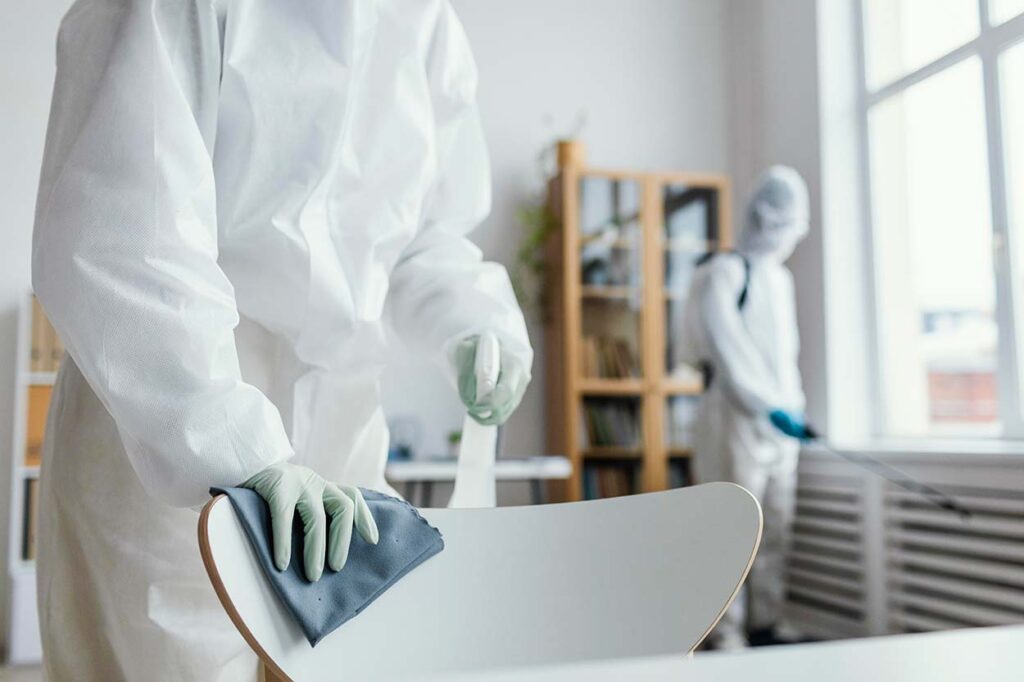
- Wipe down hard surfaces: Clean tables, sideboards, and furniture with hot, soapy water. This removes any stray bugs or eggs waiting for a comeback.
- Steam clean (if you have it): Hot steam kills bugs in hard-to-wash fabrics, curtains, and thick carpets where vacuums might miss eggs.
- Dispose of junked items: If you toss furniture or mattresses, wrap them in plastic to avoid spreading bugs in the corridor. Don’t let unwanted guests spread to your neighbours’ units.
- If you spot a bug during gatherings: Don’t panic, don’t whack your guests. Calmly catch and bag the offender—it’s not Chinese New Year’s lost mahjong tile, it’s a sneaky invader!
Cleaning helps control numbers before treatment. But remember: vacuuming helps, it rarely defeats bed bugs alone. For entrenched infestations, pros with heat treatment are your best bet.
Preventing Future Infestations and Monitoring for Comebacks
So you’ve vanquished the bugs, and your home is finally peaceful again. But in Singapore—a city where travel, shared spaces, and secondhand finds are a fact of life—bed bugs can always hitch a ride back for a cheeky encore.
Prevention is all about routine habits and smart tools. Regular monitoring, a few practical daily checks, and strategic reinforcements make sure any stray bug gets caught before it has time to throw a party.
Professional pest control services offer ongoing monitoring solutions and advice to keep your home bug-free. Mattress encasements, periodic checks, and keeping clutter under control all play a part in long-term victory. Let’s see how Singaporeans can build up a bed bug-proof home—without turning paranoid about every black speck they see.
Bed Bug Prevention Wisdom for Singapore Homes
- Inspect after travelling: Always check your luggage and wash all clothes (even the “clean” ones) in hot water after returning from hotels or overseas trips. Hotels and public transport are prime hitchhiking spots for bed bugs.
- Secondhand or rental finds: Clean and inspect any secondhand furniture, beds, or appliances before bringing them inside. Even spotless “Carousell” bargains can harbour hidden eggs or bugs.
- Routine mattress checks: Schedule monthly peeks under your mattress, especially around seams and tags. Early detection always beats surprise bites.
- Seal potential entry points: Caulk cracks along walls, baseboards, and any loose wallpaper. Light-coloured sheets make it easier to spot early signs (and aren’t just for grandma’s flat).
- Stay practical (not paranoid): Don’t become the neighbour who treats every speck as a bug, but don’t ignore recurring signs either. Consistent, calm preventative habits keep bed bugs out without wrecking your social life.
How Mattress Encasements Stop Bed Bugs in Their Tracks
Mattress encasements are zip-up covers that fit over your mattress and box spring (or mattress and base)—and they’re a game changer in stopping bed bugs, especially in compact Singaporean homes. Once zipped up, any bugs or eggs trapped inside cannot feed and eventually starve, while new bugs can’t get in to infest your mattress.
Look for bed bug-proof encasements with tight, reinforced zippers—these block even the tiniest bugs from crawling in or out. It’s wise to check encasements regularly for tears or holes. For Singapore’s tightly-packed condos and HDB flats, encasements don’t just prevent bed bug comebacks—they make monitoring early warning signs simpler and reduce the risk of major infestations.
Are Bed Bugs a Growing Problem in Singapore?
Unfortunately, yes—Singapore’s reputation as a travel and transit hub, combined with high-rise living and shared building infrastructure, has made bed bugs an increasingly common headache. According to pest management professionals, local infestations have risen steadily over the past decade. In 2022 alone, cases surged especially after travel resumed post-pandemic.
This isn’t just a “budget hotel” problem. Bed bugs are regularly reported in HDB blocks, upscale condos, student hostels, hotels, and even public transport. With nearly 80% of Singapore’s population living in close quarters, it takes just one infected suitcase or piece of secondhand furniture for a whole block to get involved. No one—regardless of address—is fully immune, so vigilance is key.
Biggest Bed Bug Myths Singaporeans Still Believe
- Only dirty homes get bed bugs: False. Bed bugs are after blood, not mess. Anyone, even the houseproud aunty next door, can get them.
- DIY can easily fix the problem: Tough luck. Most home remedies are a short-term bandage, not a complete solution.
- You’re doomed if you spot one: Not true. Fast, decisive treatment—especially professional heat—can end the saga in a day.
- Bugs are too tiny to see without a magnifying glass: While eggs are nearly invisible, adults look like flat coffee beans—grab a torchlight!
- Bed bugs only hide in beds: Not a chance. These pests lurk in sofas, luggage, skirting boards—sometimes even in your electrical outlets.
The truth? Anyone can get bed bugs, but everyone can beat them—with the right help and zero shame. Don’t wait—skip the old wives’ tales and call the experts when in doubt!
Skip the Headache, Get Bed Bugs Gone fast —Guaranteed
Yes, you really can wipe out bed bugs in just one day—if you call in the professionals. Tried every home remedy under the sun? Save your energy. Proven heat treatments target every hidden bug and egg, giving you peace of mind (and a good night’s sleep) in 24 hours, without repeat drama.
DIY methods are slow, messy, and just not worth the hassle for stubborn bed bugs. In Singapore’s humid climate, leaving it to the pros is the smartest, most cost-effective move. So why suffer one more itchy night? Time to show those bed bugs the The real meaning of “lah, bye!” Contact us now!